








 AMZ Sales Booster
















 Avg. +47% organic sales
 HELP CENTER


- What Is Amazon FBM?
- How Does Amazon FBM Work?
- Benefits of Amazon FBM
- Drawbacks of Amazon FBM
- How to Sell on Amazon FBM (Step-by-Step Guide)
- FBA vs FBM: Which One Should You Choose?
- Which Is Better?
- When Should New Sellers Choose Amazon FBM?
- Tips for Succeeding with Amazon FBM
- Is Amazon FBM Profitable?
- Concluding Remarks: Is Amazon FBM a Good Place to Start?
- Frequently asked questions
What Is Amazon FBM?
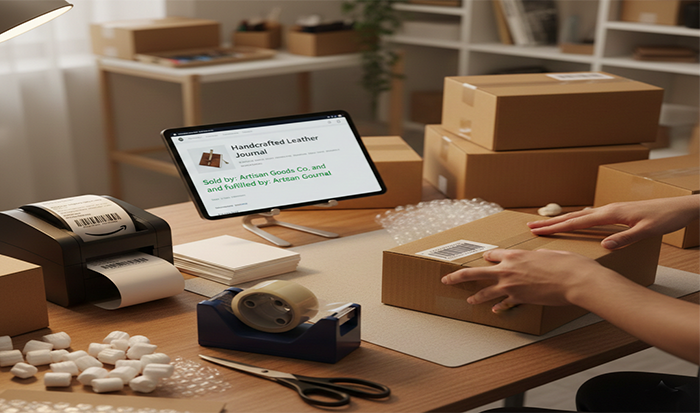
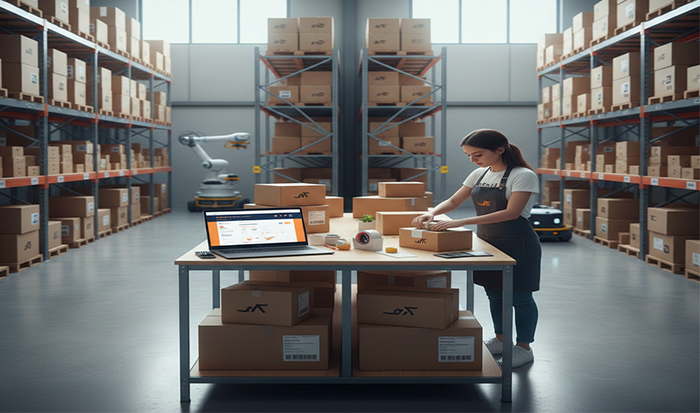
Fulfilled by Merchant, or Amazon FBM, is a fulfillment method where you, the seller, are in charge of packing, storing, and sending goods straight to the buyer.You have total control over the fulfillment process, unlike when you move your inventory to Amazon warehouses.
Amazon handles both the purchase and the payment when a customer submits an order.
Customer service, returns, shipping plan, and packing are all under your control.
FBM is particularly well-liked by the following since merchants have complete control over logistics:
Sellers with stable logistics partners
Businesses that sell big or heavy goods suppliers who make use of their own storage facilities Merchants looking for reduced fees and more control
In short, you manage logistics, while Amazon manages the sales platform.
How Does Amazon FBM Work?
You must understand how Amazon FBM operates if you want to determine whether it is the best option for you. Each phase is broken down as follows:
Place your items on Amazon
In the Amazon marketplace, you either create product listings or connect to ones that already exist. You select Fulfilled by Merchant as the method of fulfillment when you are listing.
Store Your Inventory
Unlike FBA, Amazon does not store your products.
You must keep stock in:
- Your house
- Your warehouse
- A 3PL (third-party logistics company)
- A dropshipping supplier
Customer Places an Order
The order appears in your Amazon Seller Central dashboard.
You Pack and Ship
You must:
- Pick and pack the order
- Ship it within Amazon’s delivery timeframes
- Upload tracking details on time
Provide Customer Support
Amazon expects FBM sellers to:
- Reply to customer messages
- Handle returns
- Resolve complaints
- Maintain performance metrics
Get Paid
Amazon releases your earnings according to its payout schedule.
In short, Amazon FBM gives you maximum control but requires consistent management.
Benefits of Amazon FBM
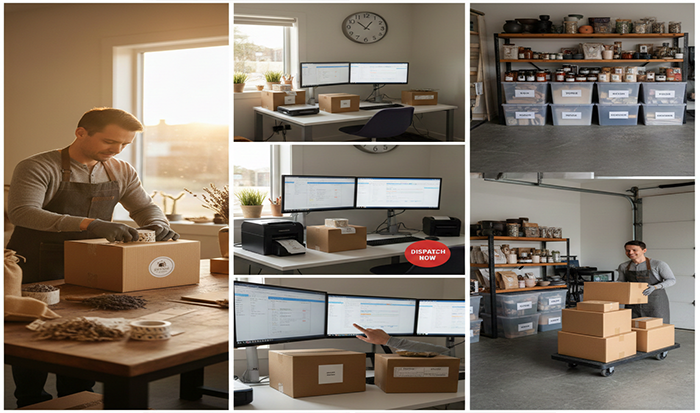
Amazon FBM is an excellent option for retailers looking for more autonomy, control, and lower overhead. It is especially useful for large or low-volume products because it allows sellers total control over storage, shipping, and customer experience without relying on Amazon’s fulfillment center.
Lower Amazon Fees
Because Amazon isn’t storing or shipping your goods, you save on:
- FBA fulfillment fees
- Amazon warehouse storage fees
- Long-term storage fees
- Removal/disposal fees
For many sellers, this alone boosts profit margins significantly.
Full Control Over Shipping
You decide:
- Packaging
- Courier service
- Delivery times
- Branding
- Shipping cost optimization
This control is a huge advantage for sellers with specialized or bulky products.
No Amazon Storage Limits
Unlike FBA, FBM sellers avoid:
- IPI score limits
- Inventory restrictions
- Excess storage costs
This makes FBM ideal for:
- Oversized items
- Heavy goods
- Seasonal inventory
- Low-turnover products
Better for 3PL and Established Logistics
FBM is an excellent fit for your operations if you currently have a warehouse, fulfillment center, or dropshipping setup.
Avoid Amazon Delays or Mismanagement
With Amazon FBA, issues like lost inventory, delayed check-ins, or mishandled returns are common.
FBM reduces dependency on Amazon’s internal systems.
Drawbacks of Amazon FBM
Sellers must manage storage, packaging, shipping, and customer support independently under Amazon FBM, which can be expensive and time-consuming. Without a solid fulfillment setup, it might be more difficult to meet Amazon’s fast-delivery requirements, which would lower your chances of winning the Buy Box. For new sellers, handling everything by hand might get burdensome as order volume increases.
You Handle Everything
FBM puts responsibility on the seller for:
- Shipping
- Packaging
- Customer service
- Returns
- Warehouse management
This can be time-consuming for beginners.
Lower Prime Eligibility
FBM sellers do not automatically qualify for Prime, unless they enroll in Seller Fulfilled Prime (SFP), which has strict delivery requirements.
Harder to Win the Buy Box
Amazon frequently prefers FBA listings over FBM ones. However, FBM sellers can still win the Buy Box consistently with competitive pricing and good metrics.
Expected Delivery Times
Customers on Amazon expect prompt shipping. Your reviews may suffer if your logistics are slower than your rivals’.
How to Sell on Amazon FBM (Step-by-Step Guide)
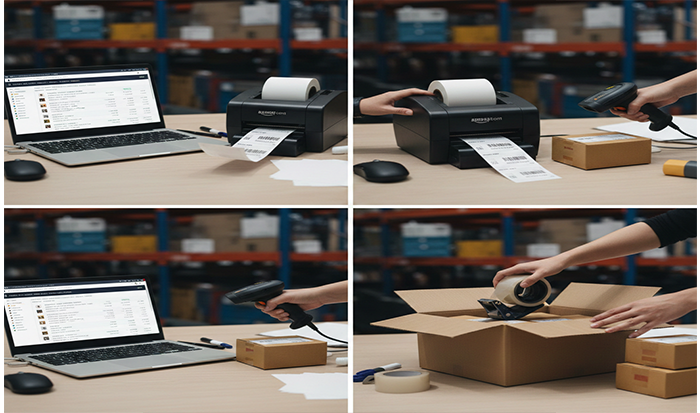
Selling on Amazon FBM is simple when you follow a clear process. Start by creating your Amazon Seller Central account, then list your products with accurate descriptions and pricing. Choose the FBM option during setup, prepare your inventory, and ensure you can pack and ship orders on time. Once sales begin, focus on fast delivery, proper tracking, and responsive customer service to maintain strong seller ratings.
Step 1: Create Your Amazon Seller Account
Sign up for:
- Individual plan – $0.99 per sale
- Professional plan – $39.99 per month
FBM works with either.
Step 2: Choose Your Products
FBM works best for:
- Large or heavy products
- Items with low profit margins
- Custom or handmade products
- Slow-moving inventory
- Items not suitable for FBA
Step 3: Set Up Reliable Inventory Storage
Decide where you will store inventory:
- Home storage
- Warehouse
- Third-party logistics (3PL) provider
- Dropshipping supplier
Proper stock management is crucial.
Step 4: Create FBM Product Listings
In Seller Central:
- Add a new product
- Select Fulfilled by Merchant (FBM)
- Set pricing and shipping settings
- Upload images and descriptions
Step 5: Choose a Shipping Strategy
You can charge:
- Free shipping
- Flat-rate shipping
- Weight-based shipping
- Region-based shipping
Fast shipping helps with Buy Box performance.
Step 6: Package and Ship Orders
Ensure:
- Secure packaging
- Branded inserts (optional)
- Reliable shipping carriers
- On-time delivery
Upload tracking numbers immediately.
Step 7: Handle Customer Support
FBM requires:
- Fast message replies
- Professional support
- Efficient returns
- Maintaining good metrics
These directly impact your seller rating.
Step 8: Scale Your Business
Once profitable, expand by:
- Adding more products
- Using 3PL services
- Automating order fulfillment
- Improving inventory systems
FBM scales easily for growing businesses.
FBA vs FBM: Which One Should You Choose?

Your budget, business plan, and desired level of control will all influence your decision between FBA vs FBM. While FBM is best for sellers seeking flexibility, reduced costs, and direct fulfillment control, FBA is excellent for hands-off logistics and quick Prime shipping. Selecting the best match will be made easier if you are aware of your objectives and product type.
Amazon FBA (Fulfilled by Amazon)
Pros
-
- Amazon handles packing, shipping, and returns
- Higher Buy Box chance
- Prime-eligible by default
- Faster delivery
Cons
- Higher fees
- Storage restrictions
- Less control over inventory
- Risk of Amazon misplacing stock
Amazon FBM (Fulfilled by Merchant)
Pros
- Lower fees
- Full control over shipping
- Better for oversized items
- No Amazon warehouse limitations
Cons
- You must handle fulfillment
- Harder to qualify for Prime
- Requires logistics management
Which Is Better?
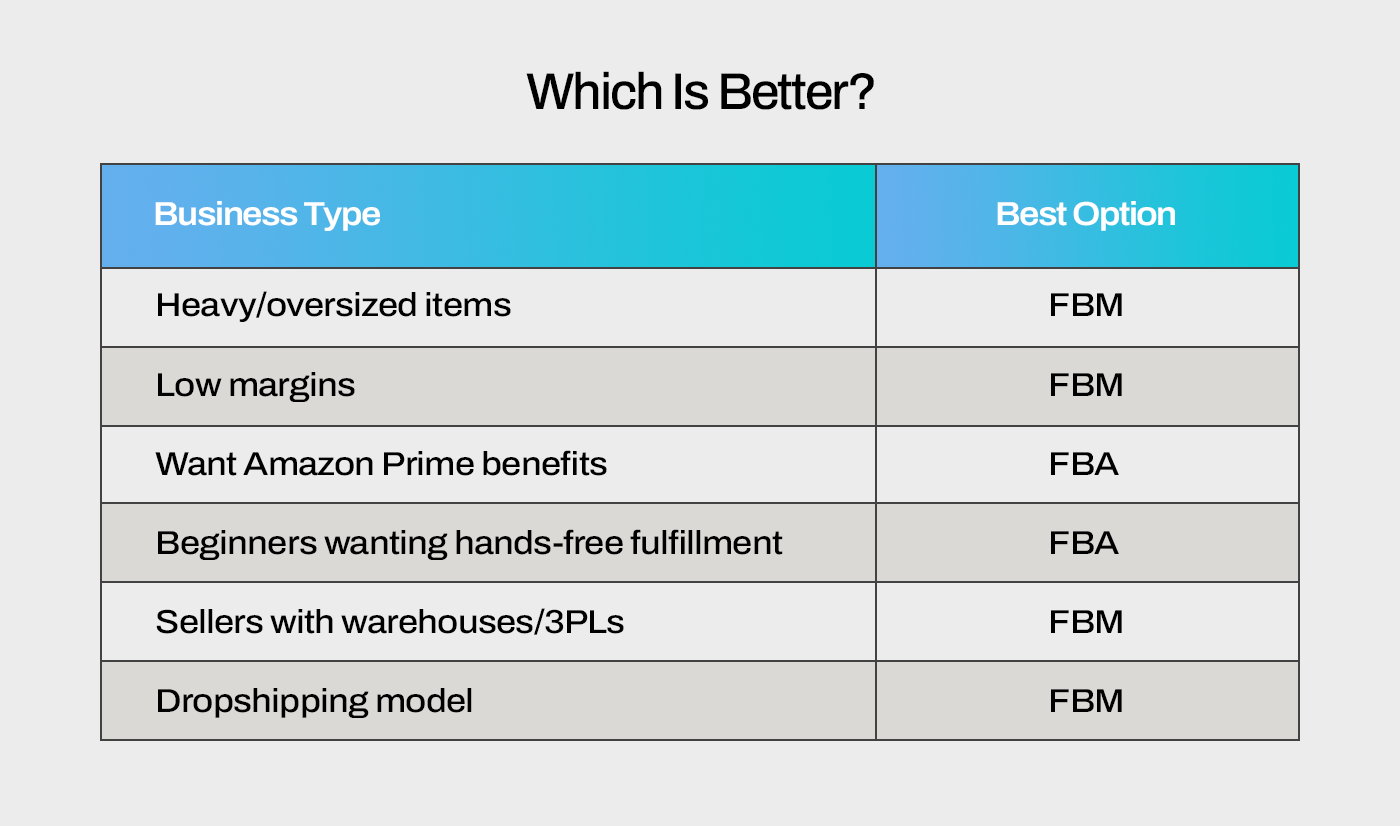
Many sellers use a hybrid FBA + FBM approach for maximum results.
When Should New Sellers Choose Amazon FBM?

New sellers should choose Amazon FBM when they want more control over shipping, lower upfront costs, or when selling large, bulky, or slow-moving products that make FBA fees too expensive. It’s also ideal if you already have a reliable storage and fulfillment setup or prefer managing customer service directly.
You should consider Amazon FBM if:
- You want lower upfront costs
- You have your own shipping setup
- Your products don’t suit FBA
- You want more control over inventory
- You’re comfortable managing orders
FBM is especially great for:
- Oversized products
- Handmade/custom goods
- Low-turnover items
- Dropshipping models
- Seasonal items
Tips for Succeeding with Amazon FBM
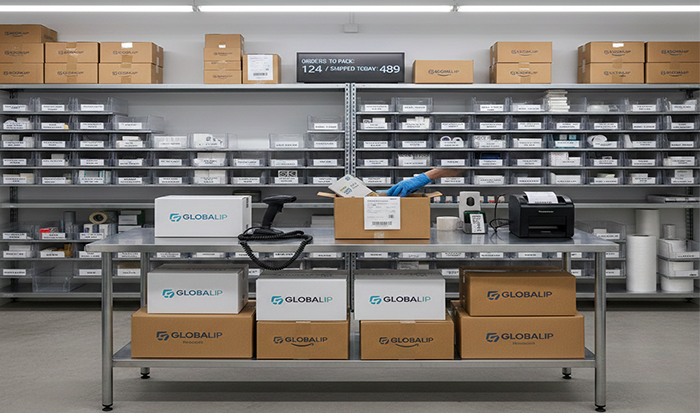
Keep your inventory up to date to prevent cancellations and concentrate on quick, dependable shipping if you want to be successful with Amazon FBM. Maintain solid seller metrics, use premium packaging to avoid damage, and promptly reply to customer messages. You can differentiate yourself from other FBM merchants by providing competitive delivery times and lucid product descriptions.
To stand out as an FBM seller:
- Offer fast shipping (2–5 days)
- Maintain excellent customer service
- Keep your Seller Central metrics clean
- Use professional packaging
- Optimize pricing to stay Buy Box competitive
- Always upload valid tracking
- Keep inventory accurate and updated
Small improvements can significantly increase your Buy Box percentage.
Is Amazon FBM Profitable?
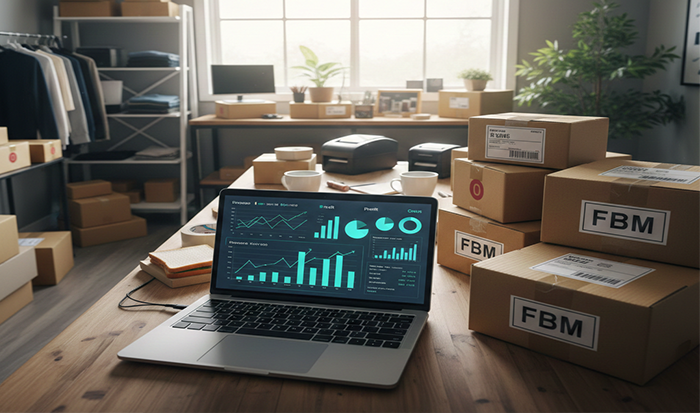
Absolutely — in many cases, FBM can be more profitable than FBA, depending on your product category.
Lower fees and tighter control over logistics make FBM extremely attractive for new Amazon sellers who want flexibility.
Many 6-figure Amazon businesses are built entirely using FBM—especially in furniture, home decor, sports equipment, tools, and automotive parts.
Concluding Remarks: Is Amazon FBM a Good Place to Start?

For new sellers who desire flexibility, reduced upfront expenses, and complete control over their fulfillment process, Amazon FBM can be a great place to start. It is especially helpful if you can manage shipping effectively or already have storage space. FBM enables you to create a successful company without depending on Amazon’s warehouses, even if it necessitates more manual labor than FBA.
If you would rather:
- Low startup cost
- Full control over shipping
- Flexibility
- Ability to sell oversized or specialized items
For even better results, many successful sellers eventually adopt a hybrid FBA + FBM strategy, using FBM for certain products and FBA for fast-moving items.
Frequently asked questions
1. What does Amazon FBM mean for sellers?
Amazon FBM (Fulfilled by Merchant) means the seller is responsible for storing inventory, packing orders, and shipping products directly to customers. Unlike FBA, Amazon does not handle logistics, so you maintain full control over fulfillment.
2. Is Amazon FBM good for new sellers?
Yes, Amazon FBM is a great option for new sellers who want lower startup costs, have space to store products, or sell large, oversized, or slow-moving items. It allows beginners to test products without paying Amazon FBA storage and fulfillment fees.
3. How is FBM different from FBA?
In FBA, Amazon handles storage, packaging, delivery, and returns. In FBM, the seller manages all fulfillment tasks. FBM offers more control and lower fees for some products, while FBA provides faster shipping and Prime eligibility.
4. What do I need to start Amazon FBM?
To start with FBM, you need a Seller Central account, product inventory, basic packaging materials, and a reliable shipping method. Many sellers also use third-party logistics (3PL) services to help with storage and fulfillment.
5. Can FBM sellers offer fast shipping like FBA?
Yes. FBM sellers can offer fast shipping by partnering with reliable couriers, streamlining order processing, or enrolling in programs like Seller Fulfilled Prime (SFP), which allows qualified sellers to offer Prime shipping.


